EN
EN

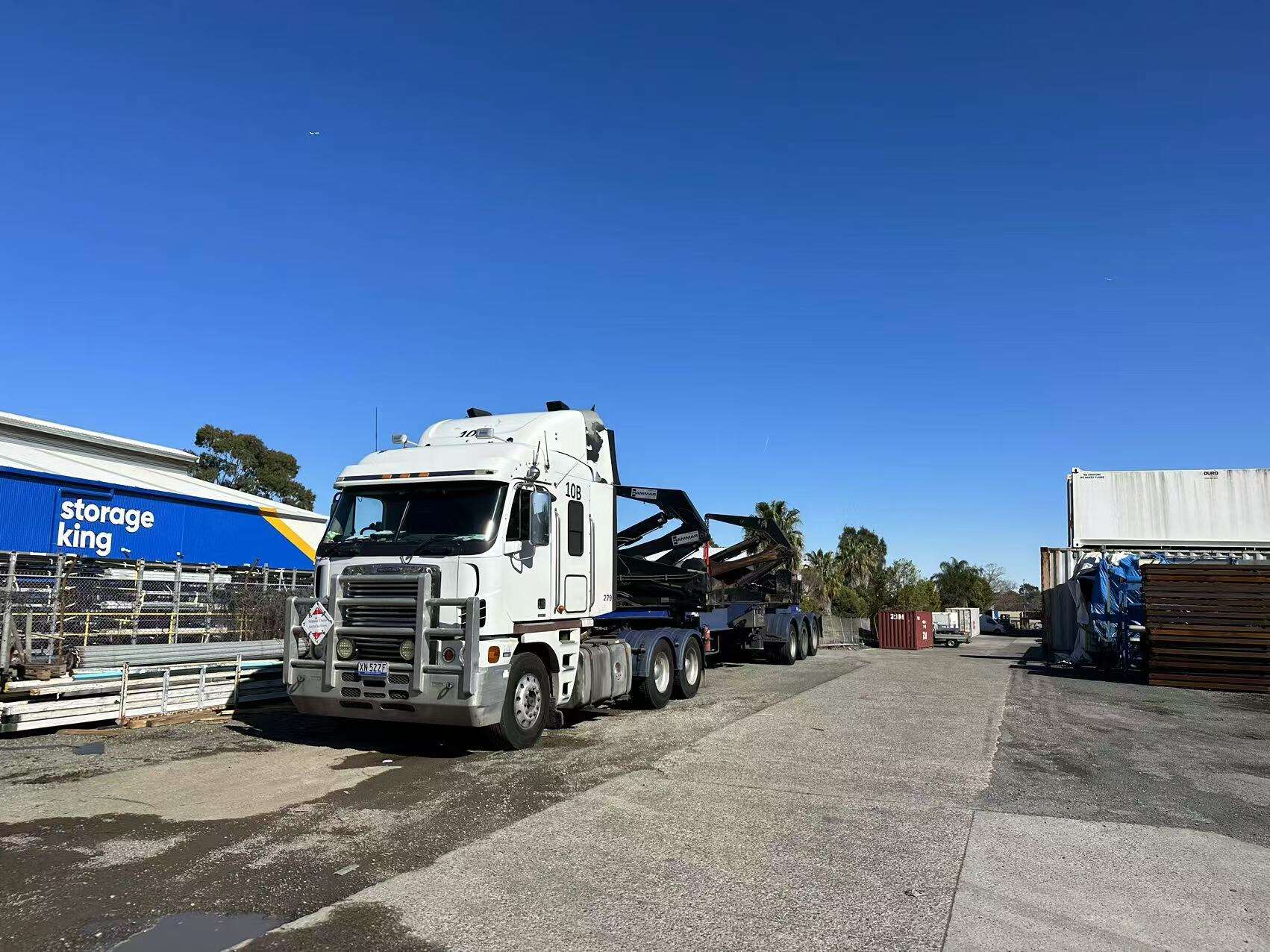
Road and Truck Transport: Flexible and Essential for Last-Mile Delivery
The Role of Road Freight in Modern Supply Chains
Over 72% of all freight moving across the United States goes by road according to ATRI data from 2023. Trucks really are the backbone connecting factories to people's homes and businesses. When it comes to getting goods right to the doorstep, trucks handle around 95% of those tricky first and last mile deliveries. No other transportation method can get into tight city alleys or remote country roads quite like trucks can. They just roll through everything from busy port areas to quiet backstreets without missing a beat. The latest research from an intermodal transport study in 2024 shows something interesting too. Combining truck transport with rail lines or ships actually cuts down on travel time by about 18%, plus it saves money on handling fees. Makes sense when thinking about how much time and effort goes into switching cargo between different transport methods.
Common Trucking Types: Dry Van, Refrigerated, Flatbed, and Specialized Carriers
| Truck Type | Key Features | Typical Cargo |
|---|---|---|
| Dry Van | Weatherproof, 53' standardized trailers | Retail goods, electronics, textiles |
| Refrigerated | Temperature-controlled (-20°F to 75°F) | Pharmaceuticals, perishable foods |
| Flatbed | Open design with tie-downs | Construction materials, machinery |
| Specialized | Enhanced security, ADAS technology | Hazardous materials, high-value goods |
Box trucks are pivotal for last-mile efficiency, with 35% of fleets adopting route-optimization software to reduce idle time by 22% (Upper Inc, 2024).
Advantages in Flexibility and Last-Mile Efficiency
Trucks reduce average last-mile costs by 30% compared to rail-air hybrids, particularly for shipments under 500 miles. Real-time GPS tracking enables dynamic rerouting around traffic, slashing delivery delays by 41% (PwC Logistics Report, 2023). Their modular cargo capacity—from sprinter vans to 18-wheelers—allows businesses to scale operations without infrastructure investments.
Challenges Like Congestion, Emissions, and Driver Shortages
Urban freight traffic contributes to 28% of transportation-related CO₂ emissions (EPA, 2022), while driver shortages persist at 78,000 unfilled positions (ATRI, 2023). Congestion costs fleets $94.6 billion annually in wasted fuel and labor, prompting 63% of carriers to adopt AI-driven dispatch systems to mitigate bottlenecks.
Rail and Maritime Transport: High-Capacity Solutions for Long-Distance Freight
Rail freight: Sustainable movement of bulk goods and intermodal containers
Railroads serve as the main arteries for transporting large volumes of goods such as coal, grains, and other bulk materials across vast distances. Think about it this way: one freight train does the job of around 100 semi-trucks on highways, which helps ease traffic jams and slashes carbon dioxide emissions somewhere between 60 to maybe even 75 percent when comparing ton-miles against trucking alternatives. The introduction of intermodal containers has really changed how things get moved around these days. These containers make switching cargo from ship to rail to truck much smoother and cheaper than before. According to recent industry reports, companies saw their cargo handling expenses drop roughly 22 percentage points last year alone, all while keeping delivery success rates at an impressive level of nearly 98.5% for international shipments that cross borders.
Key commodities in rail logistics: coal, grain, and automotive parts
Three sectors dominate rail freight volumes:
- Energy: Coal accounts for 35% of U.S. rail tonnage, powering electricity plants
- Agriculture: Unit trains transport 110-car grain shipments from Midwest farms to coastal ports
- Manufacturing: Automotive suppliers use specialized railcars to ship engines and transmissions with 0.3% damage rates
Maritime shipping: The backbone of global trade and containerization
Around 80 percent of all global trade moves through ocean vessels when we look at volume, and container ships alone transport about 25 million TEUs every month along major shipping lanes such as between Asia and Europe or across the Pacific Ocean. These massive ships that hit the seas in 2024 with capacities around 24,000 TEUs are revolutionizing transportation costs. For instance, moving cargo from Shanghai to Rotterdam costs just three cents per ton kilometer, which makes them roughly 70 percent cheaper compared to flying the same goods via air freight. Major ports including Singapore and Rotterdam have started implementing automated crane systems that can unload approximately 30 containers each hour. This has effectively doubled what these facilities could manage back in 2010, significantly boosting their operational efficiency while handling ever increasing volumes of international trade.
Major shipping routes, mega-ships, and port infrastructure
| Route | Key Cargo | Transit Time | Port Innovations |
|---|---|---|---|
| Asia-Europe | Electronics, textiles | 35 days | AI-powered congestion prediction |
| Trans-Pacific | Machinery, plastics | 18 days | Offshore container transfer hubs |
| Europe-N.America | Pharmaceuticals, vehicles | 12 days | Hydrogen-powered terminal vehicles |
Environmental impact and regulatory trends in ocean and rail transport
By 2025, the International Maritime Organization wants ships to slash sulfur oxide emissions by about three quarters compared to what they were back in 2020, along with cutting nitrogen oxides down by thirty percent. The rail industry isn't standing still either. Many operators have started testing hydrogen powered trains which can bring down overall emissions during their entire life cycle by roughly half. Looking at Europe specifically, around a third of all railway systems already operate using renewable sources of power. These changes aren't just good for the environment though. They actually match up pretty well with those corporate ESG commitments we keep hearing about lately. According to recent studies, nearly seven out of ten Fortune 500 firms are now making sure their suppliers stick to greener transportation methods when negotiating contracts for moving goods.
Air Freight: Fast, Reliable Movement for Time-Sensitive Cargo
When Speed Matters: Air Cargo for High-Value and Perishable Goods
When it comes to getting things where they need to go fast, air freight is king. About 35 percent of all medicines shipped around the world travel by plane, along with nearly 30% of those fresh flowers and seafood boxes that spoil so easily (Logistics Insights reported this back in 2023). What makes planes so good for these urgent deliveries? Well, inside temperature controlled sections of cargo holds, vaccines stay safely between 2 and 8 degrees Celsius throughout their journey. Special packing materials also help keep delicate electronics safe when flying through sudden changes in air pressure. And don't forget the big picture numbers either. According to recent industry reports from early 2024, almost seven out of ten manufacturers have started relying on air transport for those critical car parts needed right when production lines demand them. Why? Because stopping an assembly line costs companies roughly $220,000 every single hour it sits idle waiting for components.
Hub-and-Spoke Networks in Global Air Freight Operations
Major cargo hubs like Memphis (FedEx) and Leipzig (DHL) sort 4.7 million packages daily, connecting to 220 regional spokes. This system enables Tokyo-to-London shipments in 14 hours through centralized sorting—twice as fast as point-to-point routes. Nighttime "freighter waves" at hubs synchronize transfers between 8–10 PM, minimizing layovers for urgent medical equipment.
Cost Versus Speed: Evaluating Air Transport Trade-Offs
While air freight costs $4.50/kg versus $0.30/kg for ocean shipping, it prevents $2.1 million average losses from spoiled perishables (Global Logistics Monitor 2023). Airlines deploy capacity algorithms to balance demand:
| Cargo Type | Air Freight Premium | Speed Gain vs Sea |
|---|---|---|
| Emergency Machinery | 40–60% | 25–30 days |
| Seasonal Apparel | 20–35% | 12–18 days |
Shippers offset costs through consolidation—20–30% rate reductions for filling 80% of a ULD (Unit Load Device) container.
Multimodal and Intermodal Logistics: Integrating Freight Transport Networks
Defining Multimodal vs. Intermodal Transportation
The terms multimodal and intermodal refer to different ways companies organize their freight transportation across roads, rails, ships, and planes. With multimodal setups, everything runs under one contract where a single carrier handles all the mode changes. This works best when shipping time-sensitive goods that need someone watching over the whole process from start to finish. On the flip side, intermodal shipping relies on those standard containers that can be moved between different carriers without much hassle. Think about how a factory might ship products via train across continents first, then switch to trucks for local deliveries once they reach their destination country. This approach typically cuts down expenses somewhere around 12 to maybe even 18 percent compared to sticking with just one type of transport throughout.
Seamless Transfers Between Road, Rail, Sea, and Air
Getting goods moving between different transport modes works best when there are good spots for switching cargo between trucks, trains, and planes. These hubs need proper equipment so cargo can switch quickly from one mode to another. Smart scheduling systems help make sure trucks arrive just as trains are ready to go, saving lots of waiting time. At major ports, automated cranes now transfer containers from ships to railcars within about 90 minutes flat. The whole system cuts down on wasted time by around 40 percent compared to old fashioned methods where everything was disconnected. This makes a big difference for shipments that cross international borders where every minute counts against tight delivery deadlines.
Standardized Containers and Digital Tracking in Intermodal Systems
Standardized ISO shipping containers are what keeps goods moving smoothly between different transport modes - whether they're on ocean vessels, railcars, or semi-trucks. The newer GPS smart containers track important conditions during transit such as temperature changes, moisture levels inside, and even when packages experience rough handling. This matters a lot for sensitive items like medicines or delicate electronic components. Logistics companies can monitor everything through central control panels that pull information from various sensors throughout the supply chain. Some firms report around a third fewer disputes over damaged goods since implementing these tracking systems, though results do vary depending on implementation quality and specific industry requirements.
Digital Platforms Enabling Real-Time Mode Switching and Visibility
TMS platforms running in the cloud look at all sorts of factors like fuel prices, weather conditions, and how backed up ports are getting before deciding where to send shipments next. Take what happened when the Suez Canal got blocked back in 2021 - businesses that had these smart systems weren't stuck waiting forever. They managed to move around 28 percent of their stranded goods onto trains and planes instead of ships within just two days, which saved them from weeks of delay on sea routes. Another big plus is how these systems handle paperwork for customs automatically. This cuts down waiting times at borders by about half for products that really need to get somewhere fast, making a real difference in supply chain efficiency.
Choosing the Right Freight Transport Mode: Key Factors and Business Implications
Comparing modes by cost, speed, capacity, and reliability
The roads carry around 70% of all freight moving across the United States because trucks can go just about anywhere they need to. But flying stuff isn't cheap at all compared to ships. Air freight actually costs somewhere between 12 to 16 times what it takes to ship goods by sea, based on numbers from the World Bank in 2023. Trains fall somewhere in the middle price wise, though they keep things running pretty reliably too. Most trains show up on time about 99 out of 100 times when transporting big loads of coal or grain. Companies really have to think carefully about which mode makes sense for their particular needs since each option comes with different pros and cons depending on what exactly needs to get where.
| Transport Mode | Avg. Cost ($/ton-km) | Avg. Transit Speed | Capacity per Vehicle | Reliability* |
|---|---|---|---|---|
| Air Freight | $3.50 | 600–900 km/h | 50–120 tons | 94% |
| Maritime | $0.22 | 15–25 knots | 20,000+ TEU | 88% |
| Rail | $0.10 | 25–40 mph | 4,000–7,000 tons | 97% |
| Trucking | $0.65 | 55–65 mph | 12–25 tons | 91% |
Percentage of shipments arriving within scheduled windows (Bureau of Transportation Statistics 2024)
Data insight: Transit times and CO₂ emissions per ton-kilometer
The International Transport Forum (2022) reveals stark environmental contrasts: maritime shipping emits 10–40 grams of CO₂ per ton-kilometer compared to 500+ grams for air freight. Rail (25–35g) outperforms trucking (70–150g), making it critical for organizations with sustainability goals.
Use-case scenarios: Pharmaceuticals vs. raw materials
The 2024 Logistics Modes Report shows 63% of pharmaceutical companies prioritize air freight for vaccines and biologics (average value: $650/kg) despite costs, as delayed shipments risk $740k losses (Ponemon 2023). Conversely, 85% of steel manufacturers use maritime-rail combinations for raw materials, cutting transport expenses by 34% versus trucking-only approaches.
Influencing factors: Distance, urgency, cargo type, and sustainability goals
Urgent shipments under 1,000 km increasingly utilize electric trucks (35% adoption growth YoY), while perishables like seafood blend refrigerated containers with real-time tracking platforms. Distance remains the pivotal variable—rail dominates 800–2,400 km hauls, while maritime owns transcontinental bulk transport.
External pressures: Fuel prices, geopolitics, and infrastructure gaps
2023's 40% diesel price surge shifted 18% of EU freight to electrified rail corridors. Geopolitical tensions in key routes like the Suez Canal have doubled maritime insurance premiums, while U.S. bridge deficiencies delay 12% of truck shipments (DOT 2024). These variables now rank higher than pure cost in 59% of transport RFPs.
FAQ Section
What is the advantage of using trucks for last-mile delivery?
Trucks are highly flexible and proficient in navigating tight city alleys and remote country roads, making them ideal for first and last-mile deliveries.
How do intermodal containers impact logistics?
Intermodal containers simplify cargo transfer between ships, trucks, and trains, thus reducing handling costs and improving delivery success rates.
What are the environmental benefits of rail transport?
Rail transport significantly reduces carbon dioxide emissions compared to trucking, especially for bulk goods and intermodal containers.
Why is air freight preferred for perishable goods?
Air freight provides fast and reliable transportation for high-value and time-sensitive goods, with temperature-controlled sections for perishable items.
Table of Contents
- Road and Truck Transport: Flexible and Essential for Last-Mile Delivery
-
Rail and Maritime Transport: High-Capacity Solutions for Long-Distance Freight
- Rail freight: Sustainable movement of bulk goods and intermodal containers
- Key commodities in rail logistics: coal, grain, and automotive parts
- Maritime shipping: The backbone of global trade and containerization
- Major shipping routes, mega-ships, and port infrastructure
- Environmental impact and regulatory trends in ocean and rail transport
- Air Freight: Fast, Reliable Movement for Time-Sensitive Cargo
-
Multimodal and Intermodal Logistics: Integrating Freight Transport Networks
- Defining Multimodal vs. Intermodal Transportation
- Seamless Transfers Between Road, Rail, Sea, and Air
- Standardized Containers and Digital Tracking in Intermodal Systems
- Digital Platforms Enabling Real-Time Mode Switching and Visibility
- Choosing the Right Freight Transport Mode: Key Factors and Business Implications
- Comparing modes by cost, speed, capacity, and reliability
- Data insight: Transit times and CO₂ emissions per ton-kilometer
- Use-case scenarios: Pharmaceuticals vs. raw materials
- Influencing factors: Distance, urgency, cargo type, and sustainability goals
- External pressures: Fuel prices, geopolitics, and infrastructure gaps
- FAQ Section