EN
EN
What Is LCL Shipping and Why It Matters for Small-Quantity Consignments
Defining LCL: Less-than-Container Load explained
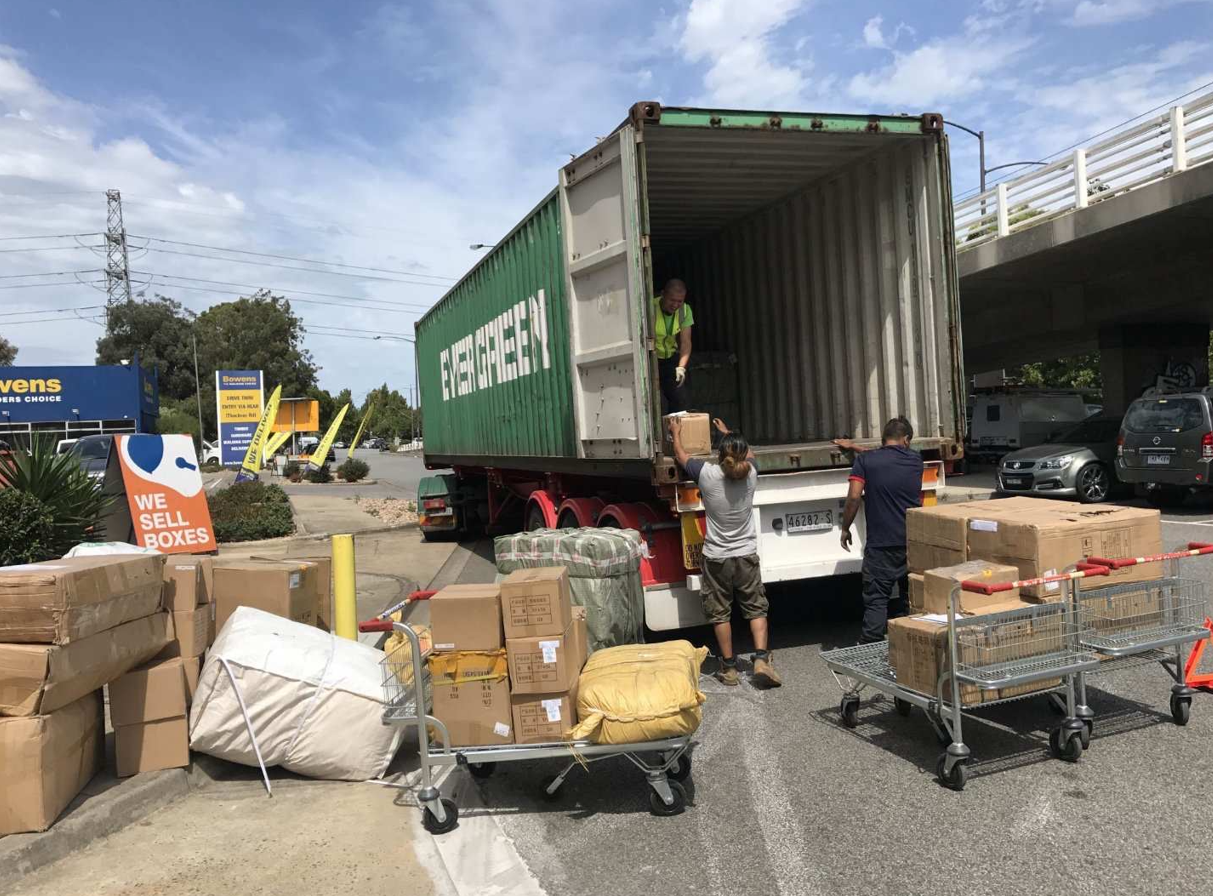
LCL shipping, also known as Less-than-Container Load, basically combines small shipments from different companies into one container. This works well when cargo takes up less than 15 cubic meters of space. Full Container Load shipping is different because it gives whole containers to just one company. But with LCL, logistics providers fill empty spots at Container Freight Stations where they sort and pack these mixed loads. For small and medium enterprises trying to get their products overseas, this arrangement makes international shipping much more accessible. Businesses don't need to meet minimum volume requirements anymore and only pay for what they actually use in terms of space. According to recent data from maritime logistics reports around 2025, about a quarter to a third of all ocean freight moves via this method. That's why many budget conscious companies that ship smaller batches find LCL absolutely indispensable for keeping transportation costs down.
How LCL enables cost-efficient, flexible shipping for sub-15 m³ cargo
When dealing with cargo under 15 cubic meters, which most people consider the sweet spot for cost efficiency, LCL shipping turns those fixed container fees into something more flexible. Companies don't have to pay for all that empty space anymore, plus they can send out their products right away instead of sitting around waiting until they fill an entire container. This kind of cash flow management really speeds up how fast businesses can test new markets too. For things that sell seasonally, companies report cutting inventory costs by about 40 percent according to Global Trade Review from last year. What's more, these modular LCL options let businesses adjust shipment sizes on a weekly or monthly basis without signing long term contracts. That gives them the flexibility needed when customer demand goes up and down unexpectedly. The whole system basically removes those pesky minimum volume requirements that often trip up small exporters just starting out in international trade.
When LCL Outperforms FCL: Volume-Based Decision Logic
The 15 m³ economic breakpoint: When LCL becomes cost-optimal
The success of international shipping really comes down to getting the most out of available space. Most industry experts agree that somewhere between 13 and 15 cubic meters marks the sweet spot where Less than Container Load (LCL) shipping becomes more cost effective compared to Full Container Load (FCL). When shipments fall below this range, companies usually end up paying extra for empty space in an FCL container. Take shipping 10 CBM for instance – many businesses find themselves spending around 40% more per item when using FCL instead of LCL because they're basically renting unused room plus paying various fixed fees. Things change when cargo exceeds 15 CBM though. At that point, FCL starts making financial sense thanks to its straightforward pricing model and fewer additional charges during handling. Logistics firms have been tracking these trends since 2024 across hundreds of different shipping routes, confirming what many shippers already suspected about optimal shipment sizes. Companies looking to cut costs need to carefully evaluate their cargo volumes before deciding which method works best for them.
- Precisely calculate shipment dimensions
- Request comparative quotes near this threshold
- Avoid inflating inventory solely to fill containers
Beyond volume: How shipment frequency, predictability, and product type influence the LCL vs FCL choice
While volume anchors the decision, three factors frequently override the 15 CBM rule:
- Frequency: Regular small shipments benefit from LCL’s flexible scheduling, enabling just-in-time inventory without container underutilization.
- Predictability: Unstable demand favors LCL’s scalability, whereas fixed-volume contracts suit FCL.
- Product type: High-value or fragile items often warrant FCL despite lower volume to minimize handling risks during LCL consolidation.
Seasonal goods with volatile volumes particularly gain from LCL’s adaptability, as confirmed in SME logistics case studies.
Tangible Benefits of LCL for SMEs and Low-Volume Exporters
Cash flow and inventory advantages: Smaller batches, faster market testing
LCL shipping gives businesses much needed financial breathing room because it lets them send smaller batches that actually match what customers want right now. Rather than locking away money in full containers worth of inventory, companies keep their stock levels tighter which cuts down warehouse expenses around 30% for small to medium enterprises according to recent logistics reports from 2023. When inventory moves through the system quicker, cash gets freed up sooner. Plus, those smaller shipment sizes mean businesses can test out new markets without taking big risks. A company might launch a product line across several regions at once but only commit limited resources initially. Then they watch how sales go in each area and decide where to invest more based on real customer responses rather than guessing.
Scalable logistics: Aligning shipping with demand volatility and growth phases
LCL shipping has a modular setup that makes it adaptable when business conditions change unexpectedly. Small businesses dealing with orders that go up and down can choose to send shipments every quarter, month, or even week without worrying about container size limits. This flexibility matters a lot during busy seasons or when running sales events. As companies grow bigger, they find themselves naturally moving from one shipping level to another. Businesses in expansion mode keep their money flowing steadily because they can match what gets shipped directly to how much revenue they expect to generate. They avoid paying extra for empty space in containers, which often happens with full container load agreements when demand drops off.
Mitigating LCL Risks: Real Challenges and Practical Solutions
Handling, consolidation delays, and damage risks – and how top forwarders reduce them
The Maritime Risk Study from 2023 shows that LCL shipments actually run into problems more often because they get passed around so many times. There are basically three main issues that need fixing right now. For starters, products typically go through anywhere from five to seven different handoffs at various consolidation centers, which really ups the chance of something getting damaged along the way. That's why top shipping companies have started using better packing methods with special materials that absorb shocks during transport. Then there's the problem of waiting periods at consolidation spots while containers fill up properly. Smart logistics firms are tackling this by using AI systems to match cargo more efficiently, cutting down waiting times by about thirty percent in some cases. And finally, when multiple items share space in a container, customs officials tend to look closer at everything, slowing things down. To handle this headache, many forwarders now employ dedicated documentation specialists who clear batches of combined cargo ahead of time. Most serious freight handlers address these challenges with comprehensive security programs that include round-the-clock sensor monitoring inside containers plus insurance coverage that works throughout every stage of shipment transfer.
Selecting reliable LCL partners: Certifications, visibility tools, and SME-focused service tiers
Looking at LCL providers? Focus on three main checks that actually work for smaller companies. First off, look for certifications such as FIATA's Multimodal Transport Operator designation since this shows they know what they're doing operationally. The ISO 28000:2022 standard is another big deal because it proves their security measures meet industry standards. Only around 1 out of every 6 forwarders has both these credentials according to Global Logistics Monitor data from last year. Tracking systems matter too. Good ones track containers specifically using GPS or Bluetooth tags and send alerts when something goes wrong, instead of just giving generic port updates. Small businesses need to find services that bundle charges together so there aren't surprise fees at terminals. Also check if there are local consolidation centers close to where products get made. These spots cut down on extra transport expenses by roughly a fifth and keep regular shipping schedules going, which helps manage stock levels properly without constant surprises.
FAQ
What is LCL shipping?
LCL stands for Less-than-Container Load shipping, which involves combining small shipments from different companies into a single container. This method is beneficial when the cargo occupies less than 15 cubic meters.
Why is LCL shipping cost-effective for small consignments?
LCL shipping allows companies to pay only for the space they use without needing to meet minimum volume requirements. This is ideal for cargo under 15 cubic meters, making it flexible and efficient for businesses with smaller shipments.
When does it make sense to choose LCL over FCL?
LCL is more cost-effective when cargo is under 15 cubic meters. Companies should evaluate their cargo volume carefully, especially when they have small, frequent shipments, unpredictable demand, or high-value items that require special handling.
What are some risks associated with LCL shipping?
Risks include potential delays, damage during consolidation, and more frequent handling. However, top forwarders mitigate these risks with better packing, efficient cargo matching, and robust security measures.
How can I find a reliable LCL shipping partner?
Look for partners with certifications like FIATA's and ISO standards, advanced tracking systems, and service tiers focused on small and medium enterprises for bundled charges and localized solutions.