EN
EN
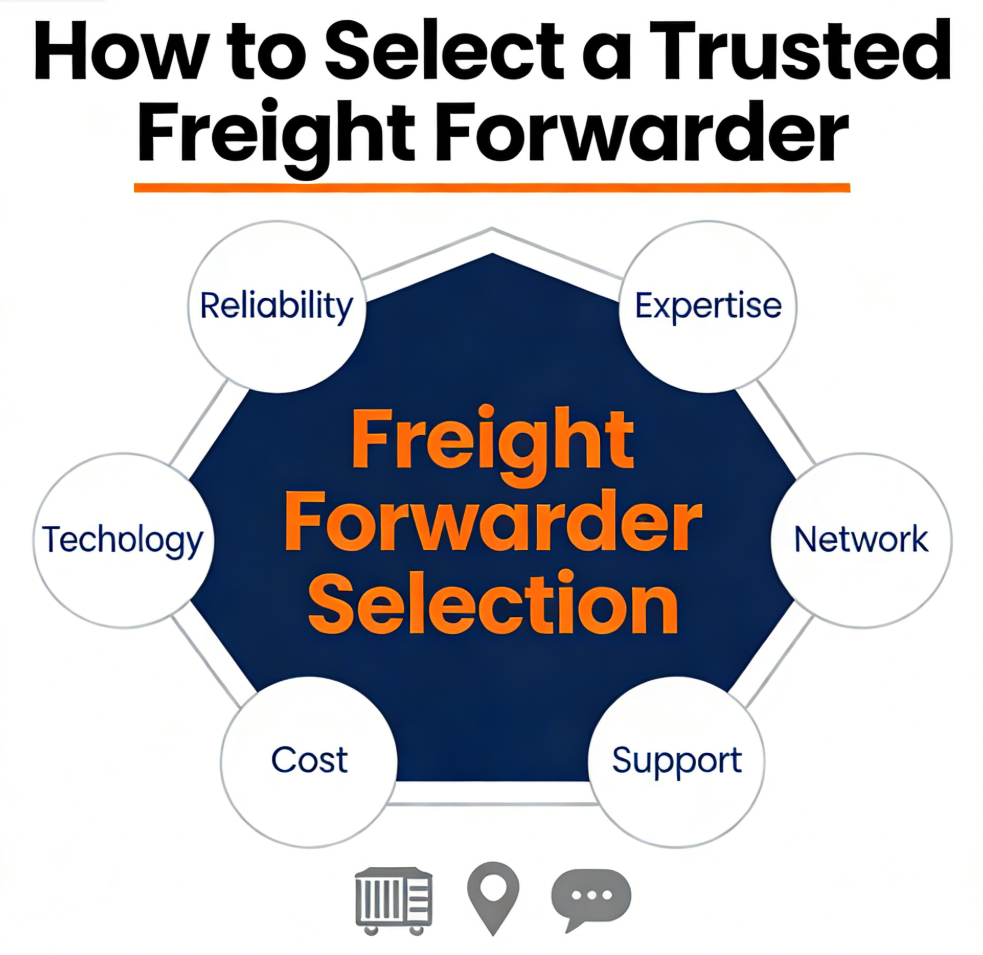
Clarify Your Shipping Requirements to Align with the Right Freight Forwarder
Match cargo type, volume, and urgency to optimal transport mode (LCL, FCL, air, or ocean)
When choosing a freight option, the first step is looking at what kind of cargo needs shipping. Bulkier stuff, say 15 pallets or around 20 cubic meters, usually works best with full container load shipping since it cuts down on costs. Smaller packages below 10 cubic meters tend to fit better in less than container load arrangements where multiple shipments get consolidated. Rush jobs matter too, especially when dealing with things that need quick delivery or expensive items such as computer parts or hospital equipment. Airplanes can get these there within 3 to 5 days but will set businesses back anywhere from four to six times what ocean shipping would cost, based on recent industry reports. Temperature controlled goods like food products or pharmaceuticals generally require either air transport or refrigerated containers at sea. On the flip side, heavy machinery or furniture that doesn't spoil can wait longer and save money going by ship instead. Getting this mix right matters a lot financially. The Council of Supply Chain Management Professionals found that mismatched cargo profiles and transportation methods lead to roughly one third of all unnecessary spending in logistics operations.
Define service scope: cross-border compliance, specialized handling (e.g., perishables, hazardous), and value-added logistics
When looking at shipping beyond regular transportation, it's important to get clear on all those regulatory, environmental, and operational details from the start. For hazardous stuff, we're talking about special packaging that meets IMO standards, proper segregation during storage, and having staff who know what they're doing. Perishable goods need their own set of rules too - temperature controlled containers are a must, along with real time tracking systems and proper documentation for the cold chain process. Did you know that problems with customs brokers actually hold up around a quarter of all shipments? That's why checking if your freight forwarder can handle duty classifications, validate HS codes, coordinate import licenses, and manage post entry audits is so critical. And let's not forget about those extra services like preparing packages for Amazon FBA, putting together kits right at the port, or using bonded warehouses. These value added options cut down on unnecessary transfers between different parties and speed things along considerably. Get all these requirements written down early in the process to weed out any logistics providers who aren't equipped to handle them properly.
- Industry-specific certifications (e.g., GDP for pharmaceuticals, AEO for customs trust)
- Deep expertise in your primary trade corridors (e.g., U.S.–Vietnam electronics lanes, EU–U.K. post-Brexit compliance)
- Automated, audit-ready compliance workflows integrated into their TMS
This prevents mid-shipment remediation, costly penalties, or unplanned storage fees.
Evaluate Freight Forwarder Expertise, Trade Lane Mastery, and Proven Reliability
Assess years in operation, regulatory certifications (NVOCC, FIATA), and audit-backed performance history
When looking at how thorough the vetting process should be, there are basically three things that matter most. Start with companies that have been around for over ten years straight. That kind of longevity usually means they've weathered all sorts of storms from bad markets to changing regulations and even worldwide crises. Next up is checking those essential qualifications. For anyone dealing with ocean freight in America, getting an NVOCC license is non-negotiable. And FIATA certification? That's pretty much the gold standard worldwide when it comes to following proper procedures and maintaining ethics in the business. Lastly, don't settle for glossy marketing brochures when asking about performance stats. What really counts is independent audit reports showing actual numbers like on time deliveries hitting at least 95%, damaged cargo staying under half a percent, and paperwork accuracy above 99%. The Global Logistics Monitor publishes these figures every year, giving us concrete evidence of how well operations actually run day to day.
Prioritize vertical specialization—automotive, pharma, or e-commerce—where compliance and timing are critical
When companies have deep expertise in their particular industry, they tend to cut down on risks and shorten those long supply chain cycles. Take the pharmaceutical sector for instance. Forwarders working there need to make sure all cold chain protocols meet GDP standards. We've seen cases where temperature deviations alone can rack up costs around $2 million each time something goes wrong according to last year's Pharma Logistics Report. E-commerce logistics folks work differently too. They connect smoothly with online marketplaces and handle return processes much better than generic logistics companies do, which actually cuts down delivery times by about 40%. The automotive world demands something completely different again. Logistics partners here need just-in-time sequencing skills, proper hazmat handling credentials, plus experience dealing with Tier-1 suppliers. Specialized forwarders really get ahead because they spot potential problems before they happen. Think about customs delays at major ports, changing packaging requirements throughout seasons, or varying label regulations across regions. These experts navigate these issues so well that border crossings speed up by roughly 34%, and penalties related to compliance issues drop somewhere between 10-15% of what shipments are worth based on recent trade analysis from 2023.
Audit Technology Infrastructure and Communication Transparency
Real-time shipment tracking, API integrations with ERP/WMS, and proactive exception alerts
These days technology isn't something companies can afford to ignore anymore. It forms the backbone of what makes operations visible and manageable. Top logistics providers now give customers access to live tracking through GPS and IoT systems, either on their website or mobile apps. According to Logistics Management from last year, around seven out of ten shipping companies consider this feature absolutely necessary when managing stock levels and meeting delivery promises. When businesses connect these systems directly with their existing ERP or warehouse management software, they cut down on tedious data entry tasks. The benefits? A massive 62% drop in mistakes during customs paperwork processing plus automatic matching of purchase orders to invoices. What really matters though are those early warning signals about problems at ports, mismatched documents, or unexpected changes in cargo temperatures. Getting alerted to these issues lets teams jump in fast before small hiccups turn into major disruptions. Having all this tech infrastructure in place shows partners aren't just there for transactions but actually invested in long term collaboration.
Validate Risk Mitigation, Insurance Coverage, and Responsive Customer Support
When looking at forwarders, focus on those who have solid risk management in place. Standard cargo insurance isn't enough these days. What really counts is coverage that matches what your cargo actually needs based on its value, how sensitive it is, and where it might be exposed. Make sure policies actually address transport problems and storage risks too. Most experts recommend at least half a million dollars worth of coverage per container, which has become pretty much standard across the industry according to ICC guidelines. For especially tricky shipments like pharmaceutical products, lithium battery packs, or valuable artwork collections, double check if there are extra protections available for things like unexpected temperature changes, accidents involving dangerous materials, or situations in conflict areas. Ask to see actual documentation showing how they handle incidents when they happen. Look for companies that can get cargo back quickly after problems occur, offer round-the-clock reporting options for claims, and stick to agreed upon time frames for resolving issues. Top notch service providers typically fix major problems within two hours even late at night or weekends, something many verify through regular stress tests. All these layers of protection help keep money safe while maintaining smooth operations throughout the entire supply chain network.
Frequently Asked Questions
What are the main differences between LCL and FCL shipping?
Less than Container Load (LCL) shipping involves combining multiple shipments from different exporters in one container. It's ideal for small shipments under 10 cubic meters. Full Container Load (FCL) shipping dedicates an entire container to one shipment, typically for larger volumes exceeding 20 cubic meters.
Why is cross-border compliance important in freight forwarding?
Cross-border compliance ensures adherence to international shipping laws and regulations, preventing costly delays, penalties, or issues in freight forwarding.
How can technology improve logistics operations?
Technology enhances logistics operations through real-time tracking, reduced data entry errors, efficient API integration with ERP/WMS systems, and proactive exception alerts to address issues promptly.