EN
EN
Bulk Cargo Compatibility and Structural Constraints of Railway Transport
Volume, Weight, and Commodity Suitability for Rail-Based Bulk Logistics
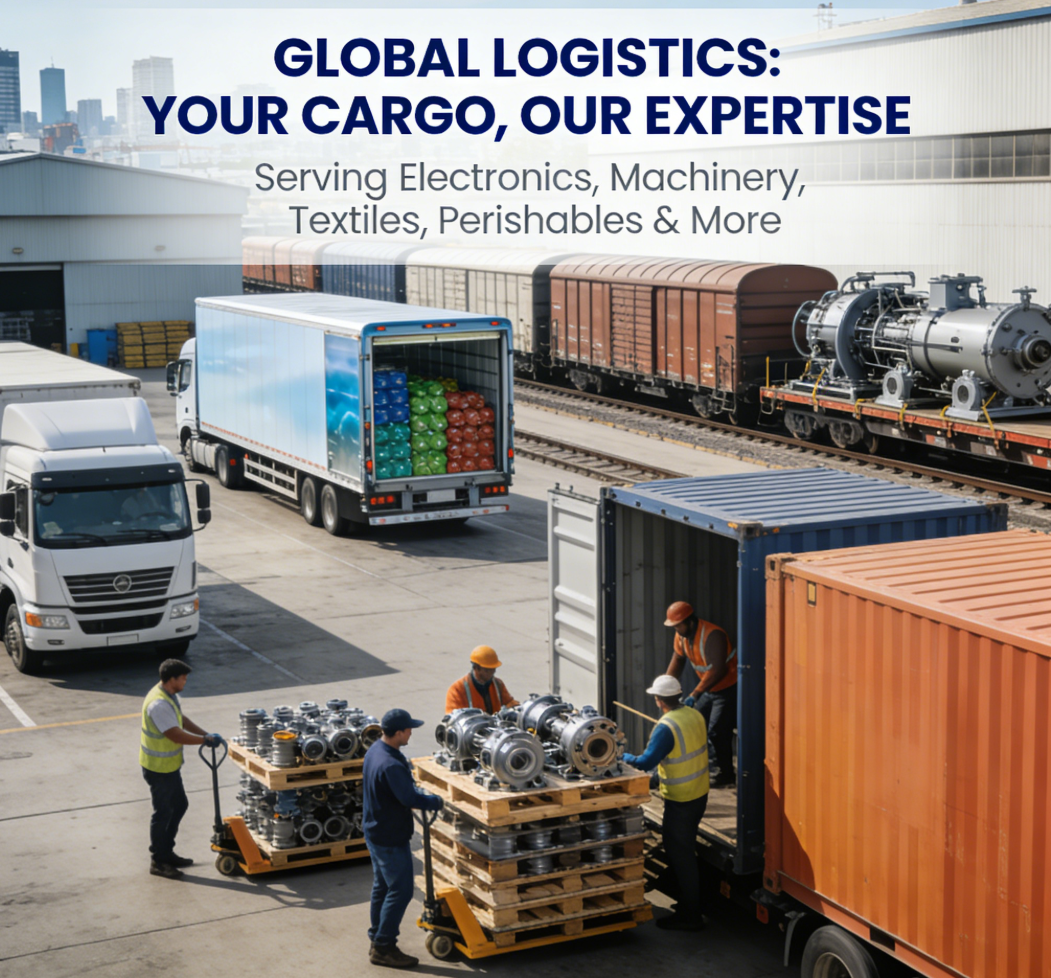
When it comes to moving heavy stuff that doesn't go bad easily, rail transport really shines. Think coal, grain, minerals, aggregates these are all things that fit well within standard rail car capacities because they match up nicely with how much weight and space each wagon can handle. One big freight train actually carries around 4,000 tons worth of cargo which is roughly what 100 trucks would haul individually. That's why rail makes sense for big shipments where quantity matters most. Most regular rail cars can take about 23 tons on each wheel set and stretch out to about 60 feet long, so there are pretty clear limits on size and weight. Special items that need temperature control or have weird shapes like those massive wind turbine blades? They need special handling equipment which complicates operations quite a bit. And then there's the issue with materials that tend to shift around during transport such as loose ores or powdered minerals. These need proper containment solutions otherwise we risk serious problems like imbalance issues that could lead to derailments down the line.
Regulatory and Operational Limits: Prohibited Goods and Intermodal Handoff Challenges
Most rail systems around the world ban dangerous stuff like explosives, radioactive materials, and specific hazardous chemicals unless they come with proper safety certifications. Even when cargo is allowed, problems pop up at those big transfer points between different rail systems. Take places where the wider Russian-style tracks meet European standard tracks at spots like Brest in Belarus. These track width differences really slow things down. Goods sitting there can wait anywhere from two days to much longer sometimes, especially for loose materials such as coal or gravel that aren't packed properly. Paperwork issues between countries also create headaches for shippers, since customs inspections alone account for about a third of all delivery time variations. Fixing this mess needs better computer systems that track shipments digitally and consistent rules throughout the entire route network. Some progress is happening though, with projects like the EU-China Digital Corridor and the International Union of Railways working on making different systems work together better, but getting everyone on board remains a challenge.
Cost and Time Efficiency: Railway vs. Sea and Air Freight for Bulk Shipments
Total Landed Cost Analysis: Rail’s Competitive Position for High-Volume Consignments
When it comes to moving large quantities of goods beyond what fits in regular containers, railways really shine when it comes to saving money. Sure, ocean shipping still wins out for absolutely massive loads, but trains start looking pretty good for bulk items that need to get somewhere quickly without breaking the bank on airfreight prices. Take industrial materials like steel or chemicals shipped from Chongqing all the way to Duisburg as an example. Going by train cuts costs by around 40 percent compared to flying them there, plus gets them delivered half the time it would take waiting for a ship. What makes this possible? Let's look at some of the main factors behind these savings.
- Volume thresholds: Rail achieves economies of scale at ~500-ton shipments
- Route optimization: Eliminating port congestion fees and transshipment handling
- Surcharge predictability: Fixed fuel adjustments versus volatile bunker charges
Transit Time Reliability: China–Europe Railway Corridors Versus Maritime Alternatives
China-Europe rail routes have become known for their reliable transit times, something traditional shipping just can't match. Most rail cargo moves from Xi'an to Hamburg takes around 15 to 18 days, while sea transport usually drags on for about 35 to 45 days instead. Why is this possible? Well, there are special arrangements at critical points like Malaszewicze where goods move through borders much faster than normal. Bulk items get priority treatment too - think minerals, grains, those kinds of things. Plus, trains aren't affected by bad weather the way ships are, so they keep running even when seasons change and storms roll in.
| Factor | Railway | Sea Freight |
|---|---|---|
| Avg. Transit Time | 15–18 days | 35–45 days |
| Schedule Adherence | 92% | 78% |
| Bulk Cargo Capacity | 1,200 tons/train | 200,000 tons/vessel |
For manufacturers requiring just-in-time delivery of bulk components, this time certainty often justifies rail’s moderate cost premium over ocean transport.
Sustainability Advantages of Railway Transportation for Bulk Cargo
Carbon Emissions Per Ton-Kilometer: How Rail Outperforms Road and Air
When it comes to moving large amounts of goods around, rail transport stands out as much greener than other options because it cuts down carbon emissions significantly per ton-kilometer traveled. Trains actually produce about three quarters less greenhouse gas compared to trucks on roads mainly because they consume fuel more efficiently and benefit from being able to carry bigger loads at once. Think about this: a freight train engine needs only one gallon of diesel to haul a single ton across almost 470 miles, which is roughly four times what a truck manages. Why? Well, part of the reason lies in how much easier steel wheels roll on steel tracks compared to rubber tires on asphalt roads, plus there's less wasted trips when everything gets shipped together in bulk. Airplanes might get things delivered quicker, but they create roughly fifty times more pollution per mile traveled than trains do. Businesses looking to improve their ESG scores should definitely consider switching some operations to railways since this approach helps slash those tricky Scope 3 emissions without cutting back on how much stuff they can ship. Plus, many major rail lines in Europe and China are already electrified over sixty percent of the way, making them even cleaner alternatives for anyone wanting to build more sustainable supply chains for heavy goods.
China–Europe Railway Infrastructure: Capacity, Bottlenecks, and Strategic Readiness
Key Border Hubs (Brest, Malaszewicze) and Their Impact on Bulk Cargo Throughput
The cities of Brest in Poland and Malaszewicze on the Belarus border act as major switching points for the China-Europe rail freight network, where goods such as iron ore, coal, and grain get transferred between different gauge tracks. During busy seasons, traffic jams at these locations can stretch waiting times past two days, which really cuts down how much cargo moves through each day when volumes are high. The main problems? Not enough space for loading/unloading operations and complicated customs checks that eat into valuable time. This creates extra expenses for companies stuck paying demurrage fees while their shipments sit idle. Take agricultural products for instance they come in all sorts of packaging sizes and shapes that don't fit standard containers, so handling them takes longer than expected. To fix these issues, several projects are underway including building more rail tracks nearby, installing faster customs processing tech, and developing smart monitoring systems that track everything digitally. These changes should help increase the amount of bulk goods moving through the region annually by making delivery schedules more reliable. They also align with both EU transportation goals under the TEN-T program and Chinese sustainability standards for infrastructure development along the Belt and Road initiative.
FAQ Section
1. What types of cargo are best suited for rail transport?
Rail transport is ideal for heavy, non-perishable items like coal, grain, minerals, and aggregates that fit within standard railcar capacities.
2. Why are some goods prohibited from being transported by rail?
Dangerous goods such as explosives, radioactive materials, and certain hazardous chemicals are prohibited unless they meet safety certifications due to risks they pose during transport.
3. How does rail compare to sea and air freight in terms of cost and time?
For high-volume shipments, rail is cost-effective and offers reliable transit times compared to sea and air, making it a competitive option for quick deliveries.
4. How can rail help improve sustainability in logistics?
Rail transport reduces carbon emissions significantly per ton-kilometer compared to road and air, making it a greener option for transporting large quantities of goods.
5. What challenges do key border hubs face in bulk cargo throughput?
Key border hubs like Brest and Malaszewicze face challenges such as insufficient space for operations and complex customs checks impacting throughput efficiency.
Table of Contents
- Bulk Cargo Compatibility and Structural Constraints of Railway Transport
- Cost and Time Efficiency: Railway vs. Sea and Air Freight for Bulk Shipments
- Sustainability Advantages of Railway Transportation for Bulk Cargo
- China–Europe Railway Infrastructure: Capacity, Bottlenecks, and Strategic Readiness